

Cooking and photography may seem like two unrelated crafts—one rooted in taste, aroma, and texture, the other built on light, perspective, and composition. Yet in the real world, the two art forms have become increasingly intertwined. From restaurant marketing to home-cooking blogs, from cookbooks to social media reels, food today is not only created to be eaten but also to be seen. This intersection has created a new cultural landscape in which chefs borrow from photographers, photographers borrow from chefs, and the public consumes both the dish and the image with equal enthusiasm.
The Shared Language of Sensory Storytelling
At their core, both cooking and photography tell stories through sensory experiences. A chef uses flavors, temperatures, and textures to guide someone through a moment. A photographer uses light, color, and framing to guide the eye. When food becomes the subject of a camera lens, these two storytelling techniques merge.
For example, the emotional warmth of a bowl of soup can be communicated visually through soft, diffused lighting and warm tones. A fresh salad, crisp and vibrant, can be represented by bright illumination, high contrast, and a shallow depth of field that draws attention to delicate details. Photography becomes a translation tool—converting taste into a visual language that anyone can understand instantly.
The Rise of Food Media and Visual Expectations
In the past, food was primarily consumed at the table. Today, food is consumed everywhere—billboards, apps, magazines, delivery platforms, cooking videos, and most commonly, social media feeds. This saturation of food imagery has raised public expectations dramatically.
Restaurants no longer think just about flavor; they think about the “Instagram moment” of a dish. A towering dessert, a swirl of foam, a carefully placed edible flower—these design choices exist partly because they look remarkable on camera. Many businesses benefit when their dishes are photographed and shared by customers, which blurs the line between culinary execution and visual aesthetics.
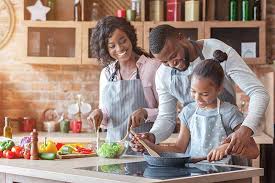
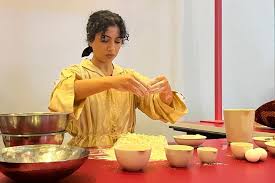
Meanwhile, cooks at home feel the influence as well. Home chefs—whether they are professionals, hobbyists, or casual creators—often plate food with more attention than they would have 20 years ago, because they expect to photograph the result. And photography equipment has become more accessible; smartphones with advanced cameras allow anyone to experiment with angles, colors, and editing.
The result is a cycle: beautifully photographed food inspires people to cook, and beautifully prepared dishes inspire people to photograph.
Techniques Borrowed Across Disciplines
This cross-pollination between cooking and photography has created shared techniques and principles.
1. Composition and Plating
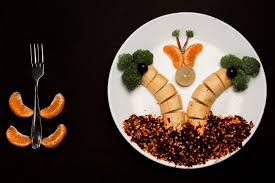
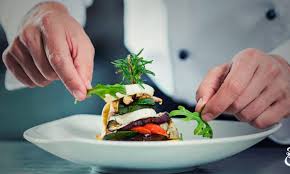
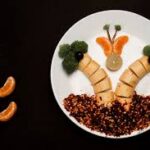
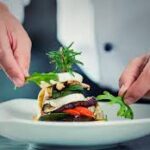
Chefs now think more visually than ever. Plate design mirrors photo composition: rule of thirds, negative space, symmetry versus asymmetry. When a chef arranges ingredients carefully—placing elements in arcs, balancing colors across the plate—they are applying the same principles a photographer uses while framing a shot.
2. Light as an Ingredient
Photographers know that lighting can make or break a shot. Chefs have begun to consider lighting as part of the dining experience as well. Some restaurants adjust interior lighting to ensure food looks more appealing in photos. Warm lights bring out richness in sauces; natural light highlights fresh ingredients. Even home cooks often take plates to a window to capture more flattering images.
3. Texture and the Micro-Scale
Close-up photography has made the micro details of food more noticeable. The glossy sheen of glaze, the crumb structure of bread, the steam rising from a hot dish—these tactile elements are now highlighted. Chefs consider how a dish will look under macro lenses, making textures more intentional.
4. Timing and Freshness
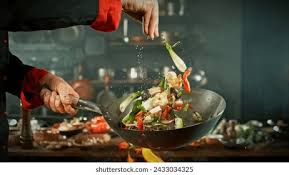
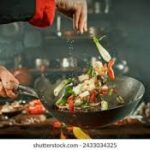
Both chefs and photographers know that time is a critical variable. Ice cream melts, greens wilt, sauces thicken, foam collapses. Collaboration between the two crafts requires speed and coordination. Many food stylists mimic real culinary techniques—lightly torching surfaces, adding oil for shine, refreshing herbs with ice water—to preserve that “just-made” appearance long enough for the camera to capture it.
Food Photography as a Career and Creative Outlet
As the connection between cooking and photography deepens, food photography has grown into a major professional field. Food photographers, stylists, and editors combine technical knowledge with culinary intuition. Their work supports cookbooks, advertising campaigns, recipe apps, and the booming food-influencer economy.
But this field is not limited to professionals. Thousands of people practice food photography daily through phones and social platforms. These images are not merely documentation—they are creative expressions of personal taste, cultural heritage, and daily ritual.
A simple homemade meal becomes a piece of visual storytelling. The color of spices hints at cultural influences. A grandmother’s wooden table adds emotional texture. A half-eaten slice of cake or a splash of sauce adds authenticity. Food photography is one of the most accessible creative mediums because everyone eats, and everyone can share what they eat.
Cooking Inspired by Photography
The influence is not one-way. Photography also inspires how people cook. When they see a beautifully lit dish online—glowing noodles, rainbow bowls, perfectly charred vegetables—they often want to re-create it. Recipes become visual goals as much as culinary ones.
This has led to a rise in:
- Color-driven cooking (vibrant smoothie bowls, bright salads)
- Structured layering (lasagnas, sandwiches, desserts built for cross-section shots)
- Minimalist plating (clean plates with intentionally placed accents)
- Rustic realism (crumbs, drips, and organic mess left in the frame to feel authentic)
Digital imagery has become a global recipe book, influencing cooking traditions as they are shared across cultures.
The Real-World Impact: Community, Creativity, and Connection
At a deeper level, food photography serves as a connector. People share meals not only physically but visually across distances. A picture of a home-cooked dish can express care, identity, nostalgia, or creativity. A beautifully captured street-food scene can introduce someone to a culture they’ve never experienced firsthand.
Chefs also use photography to document their progression, refine plating ideas, and communicate their craft. Photography becomes an essential tool in the creative process of cooking.
And on a global scale, food photos influence food trends—bubble tea, avocado toast, charcoal buns, matcha everything—demonstrating how visual culture shapes culinary culture.
Conclusion
Cooking and photography, though born from different senses, now live side by side in the real world. They are two arts that feed each other—one offering flavor and emotion, the other offering structure and narrative. Together, they transform everyday meals into expressions of creativity and identity. Whether in a professional studio or a home kitchen, the combination of delicious food and beautiful imagery continues to inspire people to cook more, to notice more, and to share more of the world around them.
If you’d like, I can also:
✅ Write a more academic version
✅ Create a version focused on social media, restaurants, or home cooking
Just let me know!