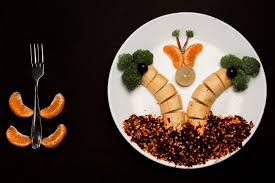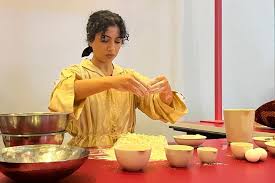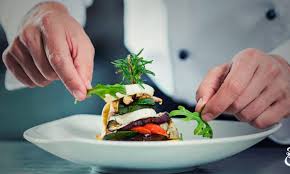
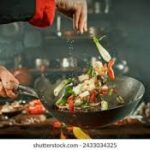

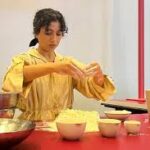

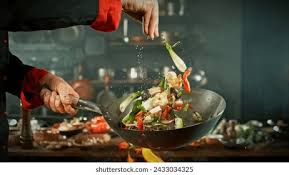
In our fast-moving, increasingly digital world, two everyday skills continue to hold deep personal, cultural, and practical value: cooking and photography. At first glance, they may appear unrelated—one rooted in nourishment, the other in memory—but both play powerful roles in shaping identity, strengthening relationships, and helping us understand the world. Cooking keeps us alive, connected, and grounded. Photography reminds us who we are, where we come from, and how we see life. Together, they enrich our daily experience in profound and often surprising ways.
1. Cooking: A Skill That Shapes Health, Culture, and Community
A Foundation of Health
Cooking is one of the most essential real-life skills a person can have because it directly influences physical well-being. When people cook at home, they naturally gain more control over ingredients, portion sizes, nutrition, and food quality. This is especially important in a world where ultra-processed foods are widely available but often linked to health issues like obesity, diabetes, or heart disease.
Learning to cook empowers people to:
- understand what is going into their bodies
- choose healthier cooking methods
- reduce sugar, salt, and unhealthy fats
- experiment with more vegetables, fruits, and whole foods
Cooking doesn’t just keep us fed; it shapes long-term habits and encourages a balanced lifestyle.
Cultural Identity and Tradition
Food is more than nutrition—it is history, identity, and memory on a plate. Every culture expresses itself through cuisine, whether it’s the spices used, the way meals are prepared, or the rituals surrounding dinner time. Learning to cook traditional dishes helps preserve cultural heritage, especially for younger generations or communities living far from their homeland.
For many people, cooking their grandmother’s soup or baking bread using a family recipe becomes a way to stay connected to their roots. Food traditions communicate:
- where we come from
- how our ancestors lived
- what values we hold dear (hospitality, family unity, celebration)
Cooking can also bridge cultures, allowing people to share meals, exchange recipes, and understand each other more deeply.
Emotional and Creative Expression
Cooking is also a creative art form. The kitchen becomes a place to experiment with flavors, textures, and colors. Many people find cooking relaxing or meditative. The act of chopping, stirring, and seasoning allows the mind to slow down. Preparing a meal can become an outlet for expressing love, gratitude, or emotion without words.
And of course, cooking for others creates warmth and connection. A shared meal can strengthen friendships, heal misunderstandings, or provide comfort in difficult times. Food is one of humanity’s oldest ways of expressing care.
Self-Sufficiency and Confidence
Being able to cook basic meals builds independence. It saves money, encourages problem-solving, and gives people the confidence to take charge of their daily lives. Someone who can cook well is less dependent on fast food or expensive takeout. Especially for students, new adults, or people living on their own, cooking becomes a life skill that builds resilience and responsibility.
2. Photography: A Tool for Memory, Meaning, and Communication
Capturing Moments and Preserving Memory
Photography allows us to freeze moments we want to remember forever. Birthdays, travel adventures, quiet evenings, family gatherings—photos help us hold on to experiences that would otherwise fade with time. In real life, memories shape identity, and photography becomes a visual diary of who we are and what we have lived through.
Photos help us recall:
- how people looked and smiled
- where we traveled
- how children grew
- how we felt during significant life events
In this way, photography is not just about images—it is about emotions, stories, and the passage of time.
A Universal Language
Photography is also one of the world’s most accessible forms of communication. A single image can express ideas that would take paragraphs to explain. It crosses language barriers and reaches people regardless of background. Photographs can spark empathy, inspire action, or simply bring beauty to someone’s day.
This universality is why photography is used in:
- journalism
- advertising
- education
- activism
- art
- social media
It helps people understand events, connect to causes, and see the world from different perspectives.
Creativity and Self-Expression
Just like cooking, photography is a creative outlet. It encourages people to pay attention to light, color, composition, timing, and emotion. Photography teaches patience and observation—it trains the eyes to see beauty in ordinary things. Even smartphone cameras allow people to express themselves artistically without expensive equipment.
Photography also encourages people to explore environments, interact with subjects, and think critically about what they want to communicate.
Technology and Modern Life
In today’s world, photography has become a major part of everyday interaction. It shapes online identity, influences communication, and fuels digital storytelling. Whether it’s documenting work, sharing a hobby, or connecting with friends, photography is one of the most powerful tools of the internet era.
It also plays major roles in professional fields:
- medicine (medical imaging)
- architecture (documenting structures)
- science (capturing microscopic or astronomical phenomena)
- marketing (product and brand photography)
Photography is no longer just an art; it is a multifaceted tool used across real-life industries.
3. How Cooking and Photography Complement Each Other
Despite being different in nature, cooking and photography often intersect. Food photography has become a global trend, combining the sensory world of cuisine with the visual power of imagery. Restaurants rely on appealing photos to attract customers. Home cooks share their creations online. Cultural dishes become celebrated through images that travel far beyond national borders.
Photography elevates cooking from daily necessity to global conversation. And cooking provides endless inspiration for photographers, from rustic meals to colorful desserts.
Both activities also encourage mindfulness. Cooking focuses attention on tastes and smells; photography sharpens awareness of sight and perspective. Together, they remind us to slow down and appreciate life’s details.
Conclusion
Cooking and photography may seem like ordinary parts of life, but their real-world importance runs deep. Cooking nourishes the body, preserves culture, builds self-reliance, and brings people together. Photography preserves memories, communicates stories, sparks creativity, and shapes how we see the world.
In their own ways, both skills enrich daily life and help us feel more connected—to ourselves, to others, and to the world around us. Whether we are preparing a meal or capturing a moment, we are participating in timeless human traditions that continue to define our shared experience.
If you want, I can also:
📌 shorten this to 500 words
📌 rewrite it in simpler English
📌 format it like a school essay
📌 add references or real-world examples
Just tell me!Attach
Search
Study