
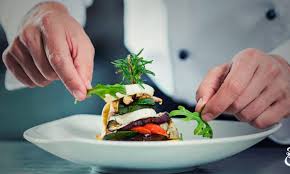
In every culture, food is more than nourishment—it is expression. Cooking is not just the act of preparing a meal; it is a creative process shaped by memory, imagination, and a deep sensory understanding of the world. Artists paint with pigments, photographers compose with light, and cooks craft with flavors. Though they appear different, the kitchen and the studio share a common language: both rely on intuition, technique, experimentation, and emotion. In the modern world, especially with the rise of food photography and social media, these disciplines have intertwined more tightly than ever, forming a new artistic frontier where creativity becomes edible.
Cooking as an Artistic Practice
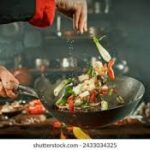
Every great dish begins with intention. A cook—whether a home chef experimenting on a quiet weekend or a seasoned professional in a bustling kitchen—starts with a set of tools and ingredients, much like an artist begins with brushes and paint. Spices form a palette: turmeric, paprika, cumin, saffron, basil, thyme. The cook learns how each interacts, how they harmonize or contrast, how they can be layered to build a sensory story.
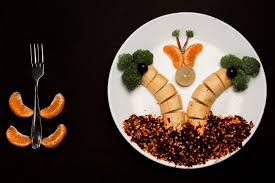
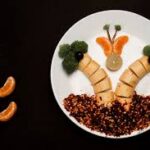
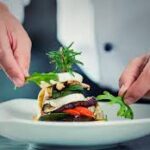
Texture, temperature, and aroma become the brushstrokes of a dish. A crisp exterior paired with a tender center, the warmth of freshly baked bread, the cool silkiness of whipped cream—these elements transform food into an immersive experience. The act of plating itself draws directly from visual art traditions. Balance, contrast, symmetry, and negative space dictate not only how a dish looks but how it makes the diner feel before the first bite.
In cooking, creativity thrives in constraints. Limited ingredients can lead to innovation. Cultural traditions offer frameworks within which cooks improvise. Mistakes sometimes produce breakthroughs: a caramel left on the stove too long becomes a smoky sauce; imperfectly sliced vegetables inspire a new form of presentation. This element of discovery mirrors the process of making art. Both require patience, observation, and a willingness to embrace the unknown.
Photography: Capturing the Essence of Flavor
If cooking is the art of creating food, photography is the art of preserving its story. A well-crafted photograph communicates texture, temperature, and even imagined taste. It makes viewers feel the crispness of a crust or the warmth of melted chocolate. In this sense, food photography is an illusion—it transforms a momentary sensory experience into a visual narrative.
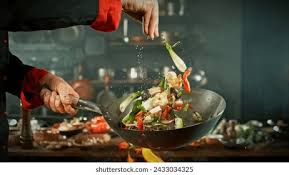
The photographer’s tools are equally artistic. Composition shapes the mood: a rustic wooden table suggests comfort; a clean minimalist backdrop evokes sophistication. Light is the most essential ingredient. Natural light from a window creates softness and invites authenticity. Dramatic side lighting emphasizes texture, turning simple foods into sculptural objects. Shadows, when used intentionally, add depth and mystery.
Angles play a role too. Overhead shots highlight symmetry and pattern—perfect for flat lays of pastries, ingredient spreads, or brunch tables. A 45-degree angle mirrors how we see food when seated and is ideal for plated dishes. Extreme close-ups reveal details invisible to the naked eye: the crystalline edge of flaky sea salt, the glossy sheen on a chocolate truffle.
Food photography is also storytelling. A single image can capture a memory: a grandmother’s hands kneading dough, steam rising from a bowl on a cold morning, or the chaotic joy of a holiday feast. Viewers are drawn not only to the food itself but to the emotions surrounding it.
The Intersection of Cooking, Art, and Photography
Cooking and photography converge where creativity becomes visible. A chef who thinks like an artist and a photographer who understands flavor can collaborate to create multisensory masterpieces. Social media has amplified this fusion. Platforms like Instagram, Pinterest, and TikTok have transformed meals into visual performances, inspiring millions to explore cooking through an artistic lens.
This intersection has also reshaped culinary culture. Restaurants now design dishes with visual aesthetics in mind, knowing that diners will photograph them. The rise of “camera-ready cuisine”—vivid smoothie bowls, latte art, geometric desserts—reflects the influence of visual storytelling on food trends. But even home cooks participate in this movement, using photography as a tool to document experiments, celebrate successes, and share personal stories.
Artists, too, draw from food imagery. Photographers create still-life compositions reminiscent of 17th-century Dutch paintings, focusing on richness and decadence. Contemporary creators use abstract techniques—motion blur, macro photography, dramatic lighting—to transform everyday ingredients into surprising visual art. The boundary between the edible and the aesthetic becomes fluid.
The Emotional Connection Between Making and Capturing
At the heart of both cooking and art lies emotion. A dish can evoke nostalgia, comfort, celebration, or curiosity. Similarly, a photograph can inspire hunger, wonder, or serenity. Both crafts rely on the maker’s ability to convey meaning through sensory details.
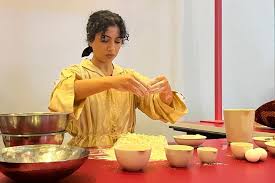
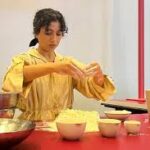
Cooking involves touch—the kneading of dough, the slicing of vegetables, the gentle turning of a simmering sauce. Photography involves observation—waiting for the perfect moment, noticing how light shifts, framing details that others overlook. The cook and photographer both cultivate presence and sensitivity. They transform ordinary moments into experiences worth remembering.
Creativity in Everyday Life
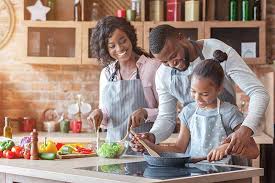
You don’t need a professional kitchen or a studio to merge cooking with art and photography. Anyone can bring creativity into daily meals:
- Experiment with colors: use contrasting ingredients like purple cabbage, bright herbs, or golden roasted vegetables.
- Play with shapes: cut ingredients into interesting patterns or layer textures thoughtfully.
- Use natural light: take a quick photo near a window before serving.
- Tell a story: photograph not just the finished dish but the process—mixing, slicing, tasting.
These small acts turn cooking into a creative ritual and photography into a personal archive of flavors and moments.
Conclusion
Cooking, art, and photography are bound by a shared spirit of creativity. Each requires curiosity, practice, and a willingness to explore the senses. The kitchen becomes a studio, ingredients become materials, and the camera becomes a tool for preserving beauty. Together, they celebrate not only the joy of eating but the joy of creating—a reminder that everyday acts can be deeply artistic when we practice them with mindfulness and imagination.
If you want, I can also create:
✅ A version focused only on cooking or only on photography
✅ A simple or academic version
Just tell me!