

Creativity expresses itself through countless mediums, but few are as universally relatable as cooking, art, and photography. Although they may seem like very different disciplines—one rooted in taste, one in visual imagination, and one in capturing reality—they share a deep common thread: all three transform raw materials into meaningful experiences. Whether in a bustling kitchen, a quiet studio, or through a camera lens, these forms of expression reveal the beauty of human invention and the desire to communicate without words.
The Culinary Arts: Flavor as Expression
Cooking is one of the oldest art forms known to humanity. Long before paint met canvas or light met film, people were experimenting with ingredients, heat, and technique to create nourishment that also delighted the senses. In many ways, a chef resembles a painter. The plate becomes a canvas; herbs, spices, vegetables, and proteins become colors; and flavors become emotions arranged in layers and contrasts.
A well-crafted dish requires the same essentials as a piece of visual art:
- Balance (between sweet, salty, sour, bitter, and umami),
- Composition (arranging textures and flavors harmoniously),
- Technique (knowing how to sear, simmer, ferment, or roast), and
- Storytelling (evoking culture, memory, or innovation).
Like artists, cooks interpret the world around them. A meal can reflect a tradition passed down for generations or express a chef’s personal experiments. When cooking becomes creative, it transcends survival and enters the realm of emotion. It becomes a conversation with the person who tastes it.
Art: Creating Meaning Beyond Words
Art has always been a vessel for emotion, identity, rebellion, and imagination. Unlike cooking, its output doesn’t satisfy hunger, yet it nourishes something equally vital: the human spirit. From prehistoric cave drawings to modern digital illustrations, visual art has documented our history, dreams, and fears.
At its core, art shares the same creative principles found in cooking:
- Color acts like flavor—bright, bold, muted, or subtle, shaping the tone of the work.
- Texture in paint or sculpture echoes texture on a plate—smooth, rough, layered, or delicate.
- Composition determines how the viewer moves through the piece, just as plating guides the diner’s experience.
- Emotion is the ultimate purpose, whether joyful, contemplative, unsettling, or nostalgic.
Art also teaches us to slow down and observe. Where cooking engages touch, taste, and smell, art appeals primarily to the eyes—yet its impact reverberates deeper, inviting reflection and interpretation. A single image can tell a story that words fail to capture.
Photography: Capturing the World as Art
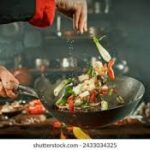
Photography is often seen as a simple process—point and click—but true photographic art goes far beyond documentation. A photographer controls light, composition, focus, and timing to reveal how they see the world. The medium allows moments to be frozen forever: steam rising from soup, a child painting with messy fingers, or a sunset illuminating the edge of a knife in a kitchen.
Photography connects naturally to both cooking and art:
- In culinary photography, the challenge is to make taste visible—to show texture, freshness, and emotion in a single frame.
- In art photography, the photographer becomes a storyteller, crafting visual poetry from ordinary scenes.
- In documentary photography, the lens becomes an honest witness, revealing truths about culture, tradition, and daily life—including the rituals surrounding food.
The best photographs are not merely seen; they are felt. A well-captured image invites the viewer to imagine the scent of herbs, the sound of a painter’s brush, or the warmth of sunlight on a chef’s hands.
Where the Three Worlds Meet
Though distinct, cooking, art, and photography often merge into a single creative ecosystem.
1. Food as Art
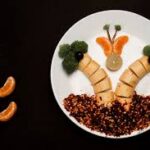
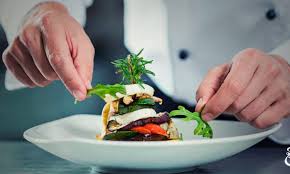
Modern cuisine embraces aesthetics with unprecedented passion. Chefs plate dishes with the precision of sculptors and the color sensibility of painters. High-end restaurants often present food that looks like a miniature painting—carefully arranged microgreens, brushstrokes of sauce, and geometric cuts that mimic graphic design.
This approach isn’t merely decorative. The beauty of a dish enhances anticipation and influences perception. Just as a painting communicates mood, plating communicates flavor before the first bite.
2. Photography Enhancing Culinary Storytelling
Social media has transformed culinary presentation. Instagram, food blogs, and digital magazines rely heavily on photography to showcase dishes. Good food photography is about more than making something look delicious—it captures the craft, the ingredients, and the atmosphere of the cooking experience.
Through light, shadow, and composition, photography elevates cooking into a shareable form of art. It documents traditions, highlights cultural diversity, and inspires creativity worldwide.
3. Art Inspired by Food and Cooking
Food appears regularly in paintings, illustrations, and sculpture. Still-life paintings from the Renaissance depicted fruit and wine as symbols of abundance or mortality. Modern artists use food motifs to explore identity, memory, and desire. Cooking also inspires abstract art, with swirling colors resembling spices blending in a pot or textured strokes echoing bread dough being kneaded.
4. Creative Rituals and Sensory Experience
All three mediums engage the senses—cooking with taste and smell, art with sight and touch, and photography with visual storytelling. Together, they form a full-spectrum creative experience. A chef might draw inspiration from a painter’s color palette. An artist might paint the vibrant chaos of a market. A photographer might capture both the artwork and the meal in a single narrative.
A Shared Human Language
Ultimately, cooking, art, and photography are three expressions of the same impulse: to create meaning from the raw materials of life. They remind us that creativity is not limited to galleries, studios, or fancy kitchens—it lives in the everyday act of transforming ingredients, ideas, and light into something that moves us.
Whether you cook a meal, paint a picture, or snap a photo, you participate in a universal conversation. You express your perspective, your culture, and your imagination in a way anyone—anywhere in the world—can understand.
If you want another article, a shorter summary, or a series of 1000 small articles, just tell me!